

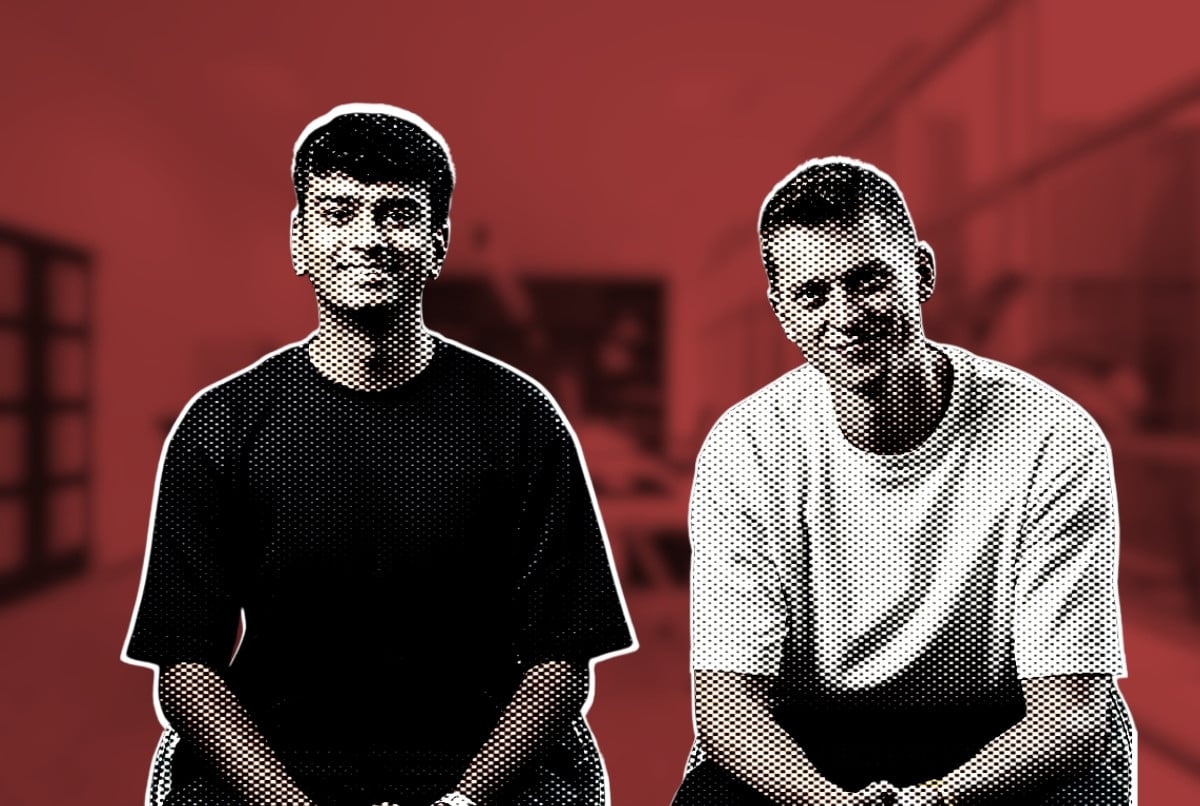
Will Caplan spent his days at an AI data company and his evenings as a creator with about 15,000 followers, negotiating brand deals over email. “I had this absolutely bizarre duality in my life,” he revealed in a recent interview, “where during the day I was building some of the most cutting-edge technology in the world, and in the evenings I was doing all these manual brand deals.” That frustration became Tano, a London-based startup that has just raised a $4 million seed round led by Cherry Ventures, bringing its total funding to $5 million.
Tano was founded in 2025 by Caplan, who runs a tech and science TikTok account, and Sagar Shah, an aerospace engineer who runs a YouTube channel about aerospace. Caplan’s complaint was simple. “Why am I sending 50 emails to an influencer marketer to get paid £50? This just seems completely absurd,” he explained. The founders say they missed opportunities and were treated poorly by brands and agencies, and their theory is that agencies find it too expensive to manage many small partnerships, so smaller creators get overlooked.
The company’s answer to this problem is software. Tano’s AI agents scan a database of more than 280 million creator profiles, vet them by listening to audio and analyzing comment sentiment, and then handle recruitment, contracts, product seeding, and payments. It works across Instagram, Facebook, TikTok, and YouTube. “It finds the influencer, it emails them, it sends the product to their house autonomously, it talks to them, it pays them,” Caplan said. Tracking links, discount codes, and shop integrations connect posts to sales, and top-performing posts can become paid ads if the creator agrees. If the system isn’t confident, human creator strategists offer support. Tano says its agents hold around 400,000 conversations with creators a month. Brands typically pay per live post or share affiliate revenue, just like regular influencer marketing.
What could it mean for creators? The most obvious opportunity is easier access. If brands can run thousands of small partnerships at low cost, creators with modest followings have a better chance of being found and paid. Tano says more than 65 percent of creators who posted for its brands in 2026 posted again, with the average repeat poster making 5.3 posts for the same brand. Tano says the platform’s third quarter was its best yet, with creator posts up 139 percent and creator-driven sales up 113 percent. Its agents even negotiate with each other now, with brand agents and creator agents haggling directly.
The system isn’t perfect, though. Creators worry that high-volume automated outreach means generic invitations, unclear product-gifting expectations, and pressure to accept standardized terms. And creators should know whether a message is automated and whom to contact when something changes. Using a creator’s post as a paid ad raises its own questions: which platforms, countries, and placements, for how long, and whether the creator can edit or decline. Cherry’s description says content is reused with permission, but approval for an organic post shouldn’t be treated as indefinite paid rights. Creators also have reason to ask how their profile data is used and how opt-outs work.
But brands are shifting budgets toward creators at a huge scale. Unilever recently said it works with more than 500,000 creators in its top markets, and L’Oréal says it manages a network of half a million. Cherry partner Dinika Mahtani argued that creator marketing “has been capped by how many relationships an agency team can manage, rather than how many people have something worth saying.”
Tano’s next test is whether brands renew because creator relationships and outcomes improve, not just because the workflow is faster.