
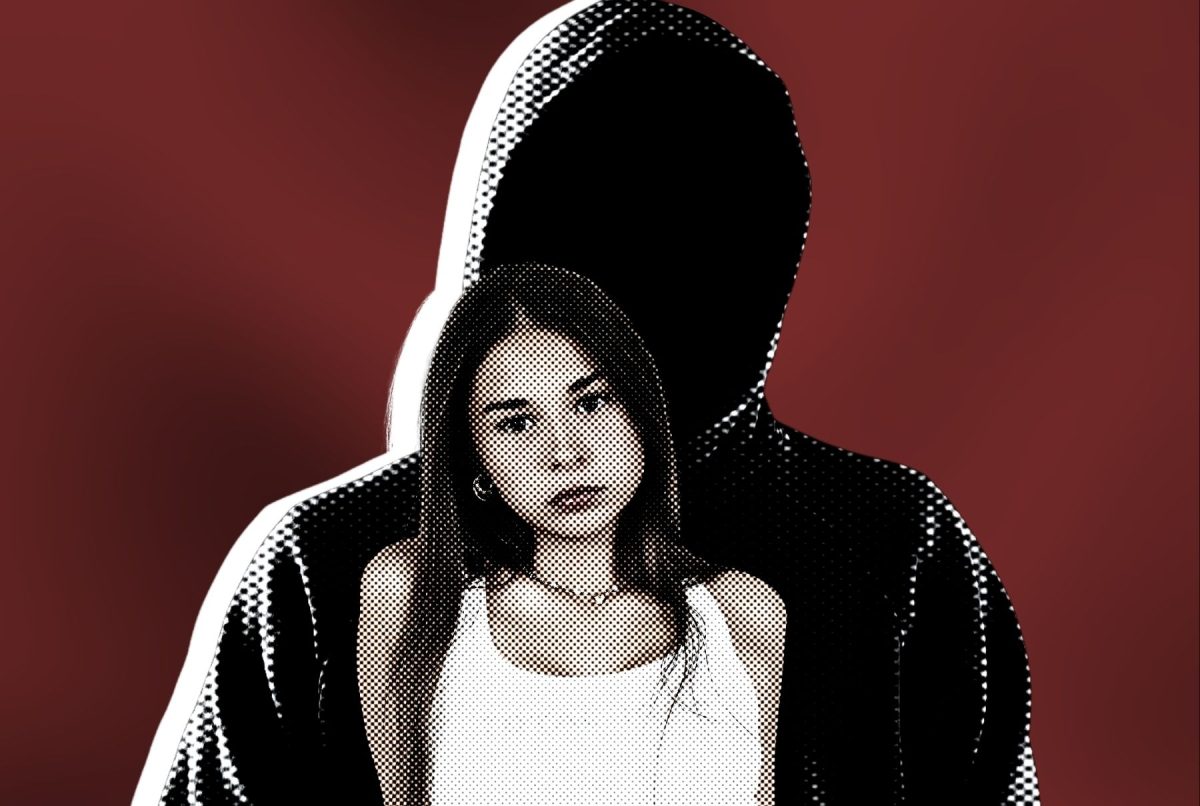
Sophie Rain’s alleged stalker has resurfaced in court documents, making claims about a relationship she says never existed. And now he’s gone missing after reportedly telling crisis center staff he wanted to leave Indiana to be with her in Florida.
According to documents obtained by TMZ, Connor Litka told a staff member at a crisis center that he and Rain had taken a “blood oath,” describing it as an “intense experience.” He reportedly said he’d stopped taking his psychiatric medication back in July 2025, believed he was no longer on probation despite a court sentence saying otherwise, and claimed he was still sending Rain money, at least $500, by his own account. His mother has reportedly been calling the crisis center directly, worried about his escalating behavior. Staff flagged ongoing concern about further escalation given his history and what they described as current manic symptoms. He was recently arrested separately for domestic battery and failed a drug test.
This isn’t Litka’s first documented incident involving Rain. He was arrested in February 2025 after allegedly breaking into a Florida rental home she was staying in with a group of friends. Rain returned from Super Bowl parties to find her windows smashed and Litka inside, prompting a SWAT response to remove him. He was sentenced to five years’ probation. Rain has been unambiguous about the reality of their relationship in her own statement to TMZ: “I have never taken a ‘blood oath’ with this individual, and any belief that we have a personal relationship is completely untrue.” She added that her priority now is protecting her safety and the people around her, while declining to detail specific security measures given the ongoing legal situation.
Rain’s case is extreme, but it’s far from isolated. There is a growing pattern of OnlyFans models being stalked or harassed. A recent investigation into creator safety surfaced a string of similarly alarming stories. First, OnlyFans model Tiffany Wisconsin who had a subscriber track her real address through his job as a civil servant. He showed up at her door, and she ended up moving into a high-security apartment complex for her and her family’s safety. A creator known as “Cheerleader Kate” was deceived by a fan impersonating a well-known photographer. She even agreed to film explicit content with him, and didn’t even know what had happened until after the fact. Meanwhile, mother of two Emily Mae had a subscriber use her Amazon Wishlist to identify her local post office, then loiter nearby, hoping to catch her picking up packages, eventually messaging her to suggest bringing her child along for coffee.
But it’s big-time OnlyFans star Annie Knight whose experience is closest to Rain’s in scale. A Denmark-based subscriber paying for her “Girlfriend Experience” service escalated to suicide threats and hundreds of messages across every platform when she didn’t reply fast enough, eventually threatening to fly to Australia to find her. Police told her it was the worst case of cyberstalking they’d ever seen, but international jurisdiction meant they couldn’t do much. Knight spent $40,000 on a professional security system for her new home, and within a month, that system recorded an attempted break-in anyway.
That $40,000 figure is a fraction of what fellow creator Lauren Alexis has spent managing similar threats over the years. Alexis has described stalkers tracking her to a penthouse, waiting outside venues, and once returning to rob a property she was staying in while she and her team were still inside. Her read on why creators become targets in the first place cuts straight to it: “If people know you make money, you’re obviously a target.” That line applies just as directly to Rain’s situation as it does to her own, as both women have visible income and a public, parasocial relationship with an audience, creating exactly the conditions someone like Litka seems fixated on.
What connects every one of these cases is a legal system consistently outpaced by the actual danger. Police can document threats, install alarms, even respond to break-ins in progress, but jurisdiction, mental health crises, and the sheer difficulty of proving intent before something happens routinely leave creators managing their own safety with private security money rather than institutional protection. Rain is now the latest name added to a list that keeps growing, waiting to see whether the system catches up before someone else’s stalker stops just missing them.