


There are some truly phenomenal content creators on OnlyFans, and deciding where to dive in can be overwhelming! Fret not, we’ve done the leg work for you so that you can jump right in. We like to go the extra mile for our readers, so we’ve undertaken the difficult task of diving deep on OnlyFans to identify which OnlyFans girls are the best. We’ve narrowed it down to a list of 10, and we’ve selected only the best.Whether you like a creator who gets a little extra with her set, or a girl who lets you see her humanity a little, they’re there! Give our list a glance, and who knows? Your new favorite OnlyFans creator might just be right here, but you won’t know until you look it over. Let’s jump in, shall we?
Hottest OnlyFans Girls – Quick Look


Most Popular OnlyFans models Reviewed
1. Sophie Dee (@sophiedeeprivateclub) – Best Only Fan Girl With A Perfect Hourglass

If you’ve got a think for women with giant blue eyes and tits that defy gravity? Then Sophie Dee is going to make all of your dreams come true. She’s gorgeous, and she has the kind of hourglass figure that classic pinups used to strive for. Her boobs may be bought and paid for, but boy were they worth every penny. She shares a lot of nude content on her wall, and if you want to see the naughty stuff? It’s worth coughing up the money for her VIP page.
2. Mia Malkova (@miamalkova) – Best OnlyFans Sweet-Faced Creator With A Naughty Side

While we’re discussing content creators with huge tits, Mia Malkova’s one of the best in the business. She’s a blonde creator who is rarely seen in more than a bikini. She’s got a huge rack, hips to match, and isn’t at all shy about showing off her boobs in all their glory. For being one of the best girls in the business, her page is only $9.99/month. Talk about a bargain!
3. Francia James (@francety) – Best OnlyFans Exotic Beauty Who Loves To Show Off

We love a confident woman, and Francia has no problem commanding the attention of all those in her path. She’s a beautiful content creator with big boobs, the kind of ass you dream of licking whipped cream off of, and she loves to bare it all for her subscribers. She’s got just a hint of a silly vibe, which really compliments the way she presents images of herself in various small bikinis… and out of them.
4. Celia Lora (@celialoraoficial) – Gorgeous Mexican Only Fan Girl Who Loves To Go Outside

If you’ve got a soft spot for latina content creators who love to strip down for their subscribers, then Celia Lora’s going to be your new favorite stop on the internet. She’s located in Mexico, and her page is in Spanish, so if that’s not a language you speak? Be ready to work on those Google translate skills. She’s more than worth the translation work though. She’s absolutely stunning, with the kinds of tits and ass you would write sonnets about if that’s a thing you were practiced in doing. For $12.99/month, she’s one hot bargain!
5. Cherry (@cherrybmodeluk) – Posh Brit Who Loves To Play on OnlyFans

I’m a sucker for a British accent, and I have yet to lie to y’all, yes? Well, Cherry is my damn dream girl. She’s got a posh accent, huge tits, legs for days, and I’ve never seen anyone who looks hotter in lingerie. She’s a dream in her undies, and a fantasy when she’s in the nude. She offers dom/findom/daddies girl, and role play content. She loves giving JOI, and is always open to creating custom content if the price is right!
6. Kimchi Delight (@kimchi.delight) – Best OnlyFans for Horny Asian Model Who Likes To Fuck

Sometimes, you just need a hot chick who showcases her naughty side. Kimchi Delight is that hot chick. She’s got a stunning body, is randy af, and loves to let her subscribers watch as she goes for a ride on a BBC. She’s got perky tits, and the kind of ass that you want to spank with your whole hand. She offers b/g and nude content, and is always willing to create custom content for subscribers who are willing to pay for it.
7. Charlotte Parkes (@charlotteparkes) – Classic Beauty, Modern Naughty OnlyFans Girl

Charlotte Parkes is the kind of gorgeous that the Beach Boys used to sing about. “Blonde hair, blue eyes, lips like a movie star?” Yeah, that’s Charlotte. She’s a bit of a tease, but you’ll be on your knees begging her to keep the tease going by the time all is said and done. She has a VIP page where you can see a little more of her, but be prepared to pay up if you want to see all that she has to offer.
8. Lynna Perez (@lynaritaa) – Best OnlyFans for Sun-Kissed Girl Who Rocks A Tiny Bikini

What isn’t to love about Lynna? She’s hot af, she looks phenomenal in a bikini or in lingerie, and when she takes it off? *chef’s kiss* Her face may say angel, but her body would beg to differ. She offers bikini, lingerie, nude, and twerking content, and her page? It’s free to subscribe. If you want to see the complete goods, be prepared to pay up though, got it?
9. Neko (@imneko13) – Big Titty Asian Cosplayer Who Loves Cum

If you’ve got a thing for cosplaying content creators who take it to the naughty level? Then Neko is going to be a dream come true for you. She’s a doll of a creator with huge tits who loves cum like I love peanut butter M&M’s. She’s mad for jizz, and isn’t at all shy about it. She’s got a love of cosplay, and she enjoys getting naughty with her ideas for her followers. Be prepared to pay up if you want to see the uncensored version of her images though!
10. Alice (@alicesnow) – Your Favorite Kinky OnlyFans Girl Next Door
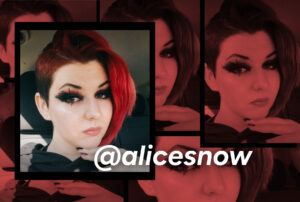
If you’ve ever had a crush on the girl next door, and that girl next door happened to be a goth with a naughty streak? Then Alice is your girl. She’s a goth creator who loves to treat her followers very well. She’s got tattoos for days, and if kinky lingerie makes your toes curl— in a good way, not in a “yikes, why are there spiders?” way— then get ready to not only smash that subscribe button, but to make sure that you have auto-renew turned on.
Conclusion
There are so many content creators on OnlyFans, and they’re the hottest girls on the internet. Who are the best girls on OnlyFans? Well, we think our list here is pretty on the nose. Prefer a creator with big tits? They’re on the list. Looking for a creator who doesn’t hide her sex tapes behind a pay wall? On the list. Is a naughty cosplayer what will make your dreams come true? On the list! We’ve even got a few free creators here for you to try out if you’re just dipping your toes in the OnlyFans waters for the first time. Take another look at our list of the best girls on OnlyFans and decide where you’d prefer to hop in.
FAQs
How Do Creators Make Money On OnlyFans?
Most creators charge a monthly fee for access to their profile, and the price varies from creator to creator. Some creators will also offer additional content for a fee, or will engage in the DMs with subscribers who tip them for their attention. Creators can also offer to create custom content for an additional fee. OnlyFans claims 20% of their total earnings, but the rest of the money they make via subscriptions, PPV content, and tips is all theirs.
Can Someone Be Successful On OnlyFans Without Showing Their Face Or Going Nude?
Yes, but it’s trickier. Many creators run faceless OnlyFans pages, but they typically have to get nude and/or engage in explicit sexual activity in order to keep paying subscribers showing up every month. There are also plenty of creators who don’t go nude on OnlyFans, but they have hyper-focused niches that have a completely different audience. Cooking tutorials from chefs looking to expand their horizons, professional athletes offering behind-the-scenes looks at their training process, etc.
Do OnlyFans Creators Pay Taxes On Their Earnings?
Yes, OnlyFans creators have to pay taxes on their earnings. How much is based on the tax code where they reside, and their income threshold.
How Do OnlyFans Creators Promote Their Pages?
A variety of ways, but most rely heavily on other social media platforms to help spread the word about their saucy side-hustle. Many creators will post tamer content on Instagram as a teaser, and then direct followers to find their OnlyFans link in their profile. Others will post snippets of more titillating content on platforms where the rules are a little less strict about what can and cannot be shared, and will use that content as a “sneak peek” of what is hidden behind a paywall on their OnlyFans page.
Related Stories
- 18-Year-Old OnlyFans
- Arab OnlyFans
- Asian OnlyFans
- Ass OnlyFans
- Australian OnlyFans
- BBW OnlyFans
- Black OnlyFans
- Blonde OnlyFans
- Blowjob OnlyFans
- Big Dick OnlyFans
- Brunette OnlyFans
- Brazilian OnlyFans
- British OnlyFans
- Chubby OnlyFans
- College Girl OnlyFans
- Couples OnlyFans
- Dick Rating OnlyFans
- Foot Fetish OnlyFans
- Free OnlyFans
- Gay OnlyFans
- Goth OnlyFans
- Latina OnlyFans
- Lesbian OnlyFans
- Men on OnlyFans
- Mature OnlyFans
- MILF OnlyFans
- OnlyFans Girls
- Nude OnlyFans
- No-PPV OnlyFans
- Petite OnlyFans
- Pornstars on OnlyFans
- Redhead OnlyFans
- Russian OnlyFans
- Shemale OnlyFans
- Teen OnlyFans
- Thai OnlyFans
- TikTokers With OnlyFans
- Big Dick Trans OnlyFans
- Trans OnlyFans
- Turkish OnlyFans
- Hottest OnlyFans
- Instagram OnlyFans
- Best OnlyFans
- Top OnlyFans
- Free OnlyFans
- Free Couple OnlyFans
- Free Dick-Rating OnlyFans
- Irish OnlyFans
- Hotwife OnlyFans
- Scottish OnlyFans
- Swedish OnlyFans
- Squirting OnlyFans
- Pinay OnlyFans
- Cosplay OnlyFans
- Hairy OnlyFans
- Colombian OnlyFans
- Punjabi OnlyFans
- Hmong OnlyFans
- E-Girls OnlyFans
- Pussy OnlyFans
- Findom OnlyFans
- Serbian OnlyFans
- Malaysian OnlyFans
- Busty OnlyFans
- Creampie OnlyFans
- Pegging OnlyFans
- Country Girl OnlyFans
- Tattooed OnlyFans
- Dildo OnlyFans
- Pregnant OnlyFans
- Michigan OnlyFans
- Persian OnlyFans
- Swinger OnlyFans
- YouTuber OnlyFans
- Chinese OnlyFans
- Minnesota OnlyFans
- SSBBW OnlyFans
- Texas OnlyFans
- Giantess OnlyFans
- Free Teen OnlyFans
- Fitness OnlyFans
- Danish OnlyFans
- Israeli OnlyFans
- Femdom OnlyFans
- Best Ass on OnlyFans
- Wisconsin OnlyFans
- GILF OnlyFans
- Indiana OnlyFans
- Bondage OnlyFans
- Cuckold OnlyFans
- Gamer Girls OnlyFans
- Midwest OnlyFans
- Celebrity OnlyFans
- Lithuanian OnlyFans
- British BBW OnlyFans
- British MILF OnlyFans
- Ebony British OnlyFans
- Blonde British OnlyFans
- BBW MILF OnlyFans
- British Feet OnlyFans
- Tattooed British OnlyFans
- Trans BBW OnlyFans
- Femboy OnlyFans
- Korean OnlyFans
- Indian OnlyFans
- English Girls OnlyFans
- Tits OnlyFans
- Anal OnlyFans
- Big Tits OnlyFans
