

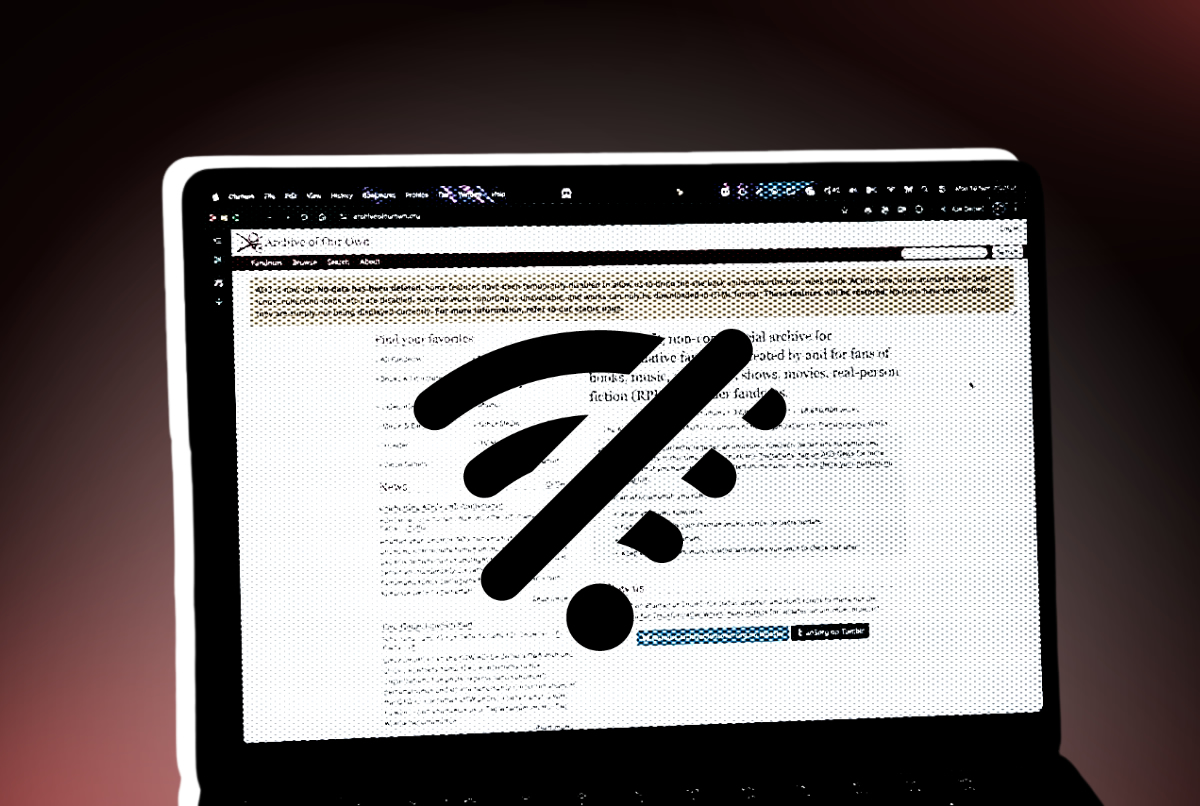
For a little over two weeks, one of the internet’s biggest libraries simply vanished. AO3, the fan fiction site short for Archive of Our Own, went dark on October 29 after what its volunteer team called a “security incident.” On Sunday, November 15, the AO3 outage ended, and the site returned, to a flood of relief and a fair amount of lingering worry.
It’s hard to understand the panic without understanding the scale here. AO3 hosts nearly 19 million works and has about 12 million users, making it a library of more than double the circulating materials of the New York Public Library. It’s run entirely by volunteers and operated by the Organization for Transformative Works, a nonprofit. It’s built a reputation as a place where writers share work for the love of it. When it went offline, a lot of people lost a daily habit.
The team first said it might take up to four weeks to restore the site. It beat that, and the return got a huge reaction. One post on X drew more than 100,000 likes and over a million views, and Toronto cultural commentator Dana Bryce said the response showed how deeply participatory storytelling is woven into everyday life. “And its absence made the importance of that relationship visible,” she said.
But “back” isn’t the same as “fixed.” To get online faster, the team temporarily disabled several features, including user and collection icons, the option to import works from other sites, and the option to download in an ePub format which most users prefer so they can add it to their e-reader like a Kindle. One Facebook group dedicated to Dramione (Draco/Hermione fan fiction), has people asking multiple times a day what happened to that particular feature, despite it being clearly explained on AO3’s homepage.
Pages may also feel slow because AO3 is limiting traffic on purpose while things settle. The organization says works, bookmarks and kudos are safe and that no drafts were deleted. However, AO3 normally clears out old drafts automatically. That feature has been paused, but will return on November 29, so anyone with unfinished drafts should check on them before then.
The bigger unanswered question is what happened. AO3 hasn’t said, and it declined to share details, calling the event a security incident. The volunteers say they’re working with a security firm and are asking users to change their passwords, including on any other site where they reused the same one. They say they have no reason to believe the user database was compromised, but they haven’t ruled it out. Nothing in the available reporting confirms a hack, a data leak or who was responsible, so the cause remains unclear.
This incident exposed how fragile digital content is. AO3 is a nonprofit running on donations and volunteers, which is part of why people love it, and part of why it’s vulnerable. Fans shared Google Drive and epub links of saved works while the site was offline, and many refused to move to Fanfiction.net or Wattpad, saying neither matches AO3’s tagging system or lack of corporate agenda. One opinion writer went further, arguing that aging servers, frequent maintenance problems and limited money mean the archive may be on a path toward collapse. The archive was hit by a DDoS attack in July 2023, according to Cyber Security Hub, and promised stronger protections afterward. It’s not clear if those were actually put in place.
Experts say it may get worse, not better for digital content. University of Central Florida professor Mel Stanfill explained that incidents like this “are likely to continue to happen in the age of AI-enabled coding as the finding and exploiting of exploits is scaled up rapidly.” AO3 co-founder Naomi Novik said that “thanks to the irresponsibility of AI companies, virtually the entire tech world is being slammed at once.” If big companies with full security teams are struggling, a volunteer-run archive faces long odds.
For writers and readers, and for anyone who builds an audience on a single site, there are some things you can do to protect your work. Back up everything up somewhere you control, since a library like AO3 can disappear with little warning. Change your passwords. And if a platform matters to you, consider supporting it before it’s in trouble.