

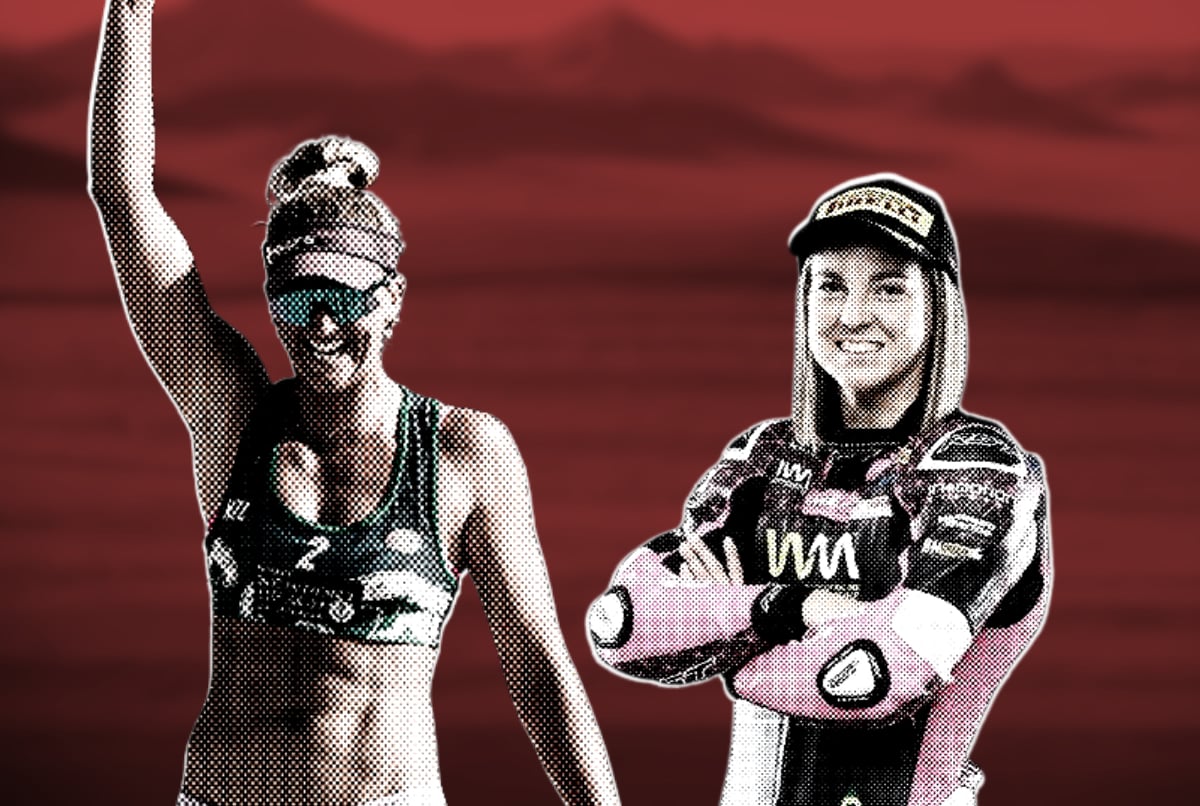
Tayla Collins says that without OnlyFans she “wouldn’t be racing.” Olivia MacDonald says there’s “no way” she could have competed otherwise. These ladies aren’t the first to credit OnlyFans with saving their athletic careers, and they probably won’t be the last. As more OnlyFans athletes go public, their stories reveal a funding gap that has little to do with talent.
Collins, 29, is an Australian motorcycle racer who says she’s the first woman to win an Australian Superbike Championship. She shared in a recent interview that she needs more than $300,000 a year to race around the world, plus extra if she crashes, and that she’s one of a handful of competitors on the grid who aren’t paid to race. Sponsors have been hard to find. She says some who agreed to pay never did, leaving her in debt and nearly forcing her to quit. “I sat on the sponsorship for a long time,” she said of OnlyFans’ offer, but without it she couldn’t have finished the season.
Collins also pushes back on the idea that being the only woman in Australian motorcycle racing makes sponsorship easy. In her experience, it hinders her. That’s why OnlyFans is so important. And she’s doing it on her own terms. Her content is PG, focusing on behind-the-scenes footage, onboard video from tracks, maps, and debriefs with her crew. A free page sells motorsport insiders her “intellect,” and a VIP page adds content about her life in Europe and her training. She says she’s now making more than she did in a full-time job, and compares the platform to Red Bull, chasing high-adrenaline sports. “OnlyFans is the first international company to really take me seriously,” she said. She’s set to return to the Australian Superbike Championship in 2027 and races this weekend in the Supersport Next Gen series in South Australia.
Beach Ferns player Olivia MacDonald, 30, tells a similar story from New Zealand. She joined the athlete side of OnlyFans about five months ago and received a signing bonus, which she compares to being sponsored by Adidas. She gets regular payments and a bonus system tied to things like wearing the merchandise in interviews, and says she’s required to post on Instagram about the platform. A management team in America helps with the volume of posting and messages. Her content is mostly her sport, “a bikini sport,” as she puts it, plus cardio sessions on the platform’s OnlyFans TV. “I’m not on the ‘other side’ of the OnlyFans, which is often what people just assume,” she said.
For MacDonald the money solves a specific problem. Funding from High Performance Sport NZ has improved, she says, but it’s limited, and beach volleyball doesn’t attract sponsors like some other sports. In the past, she has been forced to work two jobs to keep up with the financial demands of her sport, and says the OnlyFans deal let her and her partner, Shaunna Polley, get to events after regular funding ran dry. The pair are chasing a spot at the 2028 LA Olympics, and they’re targeting a single-elimination qualifier in Dubai in January, where the winner gets a ticket. New Zealand has never had a women’s beach volleyball team at the Olympics.
Both women also know the stigma around partnering with the subscription platform best known for its explicit content. Collins had reservations about accepting support from the edgy brand, but ultimately has found it worth it. Renee Gracie, one of Australia’s most prominent athletes on the platform, posts risqué content and has said it’s made finding co-drivers difficult because their sponsors don’t want the association. That’s the risk Collins and MacDonald are hoping to avoid by keeping their pages clean, though it’s not clear any choice is free of judgment.
They aren’t alone. Erica Wheeler became the first WNBA player to sign an official partnership with the platform, and said it’s “not just about adult content.” French surfer Maud Le Car followed, joining a roster that already includes big-wave names. Ultrarunner Camille Herron took a different path, saying she’d become an adult creator to sponsor herself while still competing. The number of athletes on OnlyFans’ sports tier continues to grow.
These athletes describe the same financial problems: elite sport can be expensive, and mainstream brands often skip athletes outside the biggest leagues. A platform with a built-in audience and direct payments fills that gap, and it simply asks them to show up as content creators on their own terms. Whether that’s liberation or just another way for athletes to fund their own careers remains to be seen.