
And it’s one that OnlyFans creators have been battling for years.
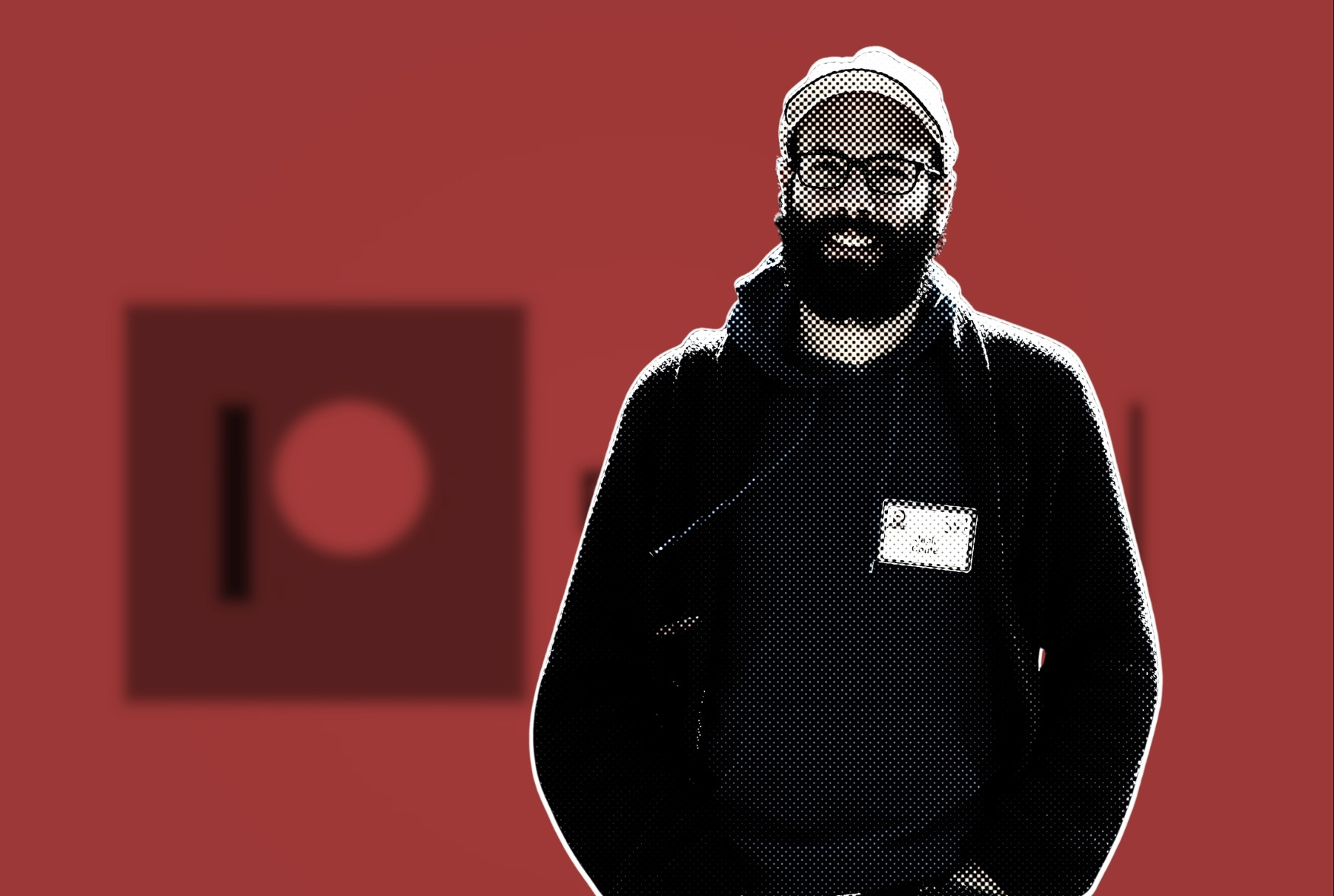
Jack Conte has sent emails at 3 am begging payment processor CEOs to reconsider their content policies. That’s not just a hook. It’s what Patreon founder and CEO, who built the platform from scratch in 2013, did in support of the thousands of creators on his platform. These creators rely on payment processors to pay their bills, yet these execs don’t seem to care.
“If they’re threatening to not be a partner to us anymore, then it’s not just that one creator’s income that’s at stake,” Conte said in a recent interview. “It’s the $10 billion that we’ve processed on behalf of creators since the company was founded.”
That number is the point. When a payment processor threatens to walk over content policy, they’re not threatening one account. They’re threatening the entire pipeline. Every dollar from a creator on the platform flows through those relationships. Which means a Visa or Mastercard exec unhappy about adult content doesn’t just take down the creator they object to. They take down everyone else, leaving a wake of collateral damage.
This is the part of the creator economy that is often overlooked. The financial infrastructure under these subscription platforms is fragile, politically sensitive, and controlled by institutions that answer to acquiring banks, which answer to card networks, which have their own standards of what commerce they want to be associated with their brands. That chain of accountability runs straight through the platforms that creators depend on, and it doesn’t care about follower content, content policy compliance, or years spent on the platform.
Patreon has adult content. Conte is clear about that. The platform allows nudity and an 18+ category, though it draws the line at explicit pornography, a line that is carefully defined in legal language rather than the infamous “I know it when I see it” standard often used. But getting to a place where the content could exist on the platform at all required years of co-iteration with payment partners, careful policy work, and an engineering decision that most platforms haven’t made yet.
Patreon built what Conte calls a “hot-swappable payments architecture.” It sounds technical, but it’s basically the ability to unplug one processor and plug in another. Why is that important? Because when you’re processing billions of dollars annually and can credibly threaten to move that volume elsewhere, you have leverage. And leverage can be used to fight for creators’ content policies in ways that smaller or less deliberately engineered platforms cannot.
OnlyFans creators know this dynamic intimately. The platform’s near-ban on explicit content in 2021 (which was reversed within days after immense creator backlash) was driven by this pressure. Banking partners and payment processors had grown uncomfortable with the content on OnlyFans and began to apply financial pressure. It almost worked. The fact that OnlyFans reversed course doesn’t mean the pressure went away. Simply that the creator revolt was more damaging – but that calculation could change.
But it isn’t just OnlyFans facing this problem. Gaming platforms like Steam and Itch.io have pulled thousands of adult titles. Not because of content violations or user complaints, but because of the comfort levels of payment processors and app stores. Developers who built their entire revenue model around a specific platform woke up to find their listings gone and their income severed, with no meaningful appeal process and no warning.
This isn’t a niche problem only for adult creators. It’s a systemic problem for anyone building a business on a platform that depends on financial rails they don’t control. The creator is the last person in a very long chain, and she’s the one with the least leverage. While individual creators can’t do what Conte and Patreon did, they can make decisions to protect themselves and their livelihoods. And that means diversification.
Creators shouldn’t rely on a single platform, whether that’s a content creation platform, a social media platform, or a payment processing platform. Spreading out platforms, strategy, and payout methods isn’t a guarantee that you’ll be protected, but it definitely reduces your risk of losing everything if someone goes down with one of them.