

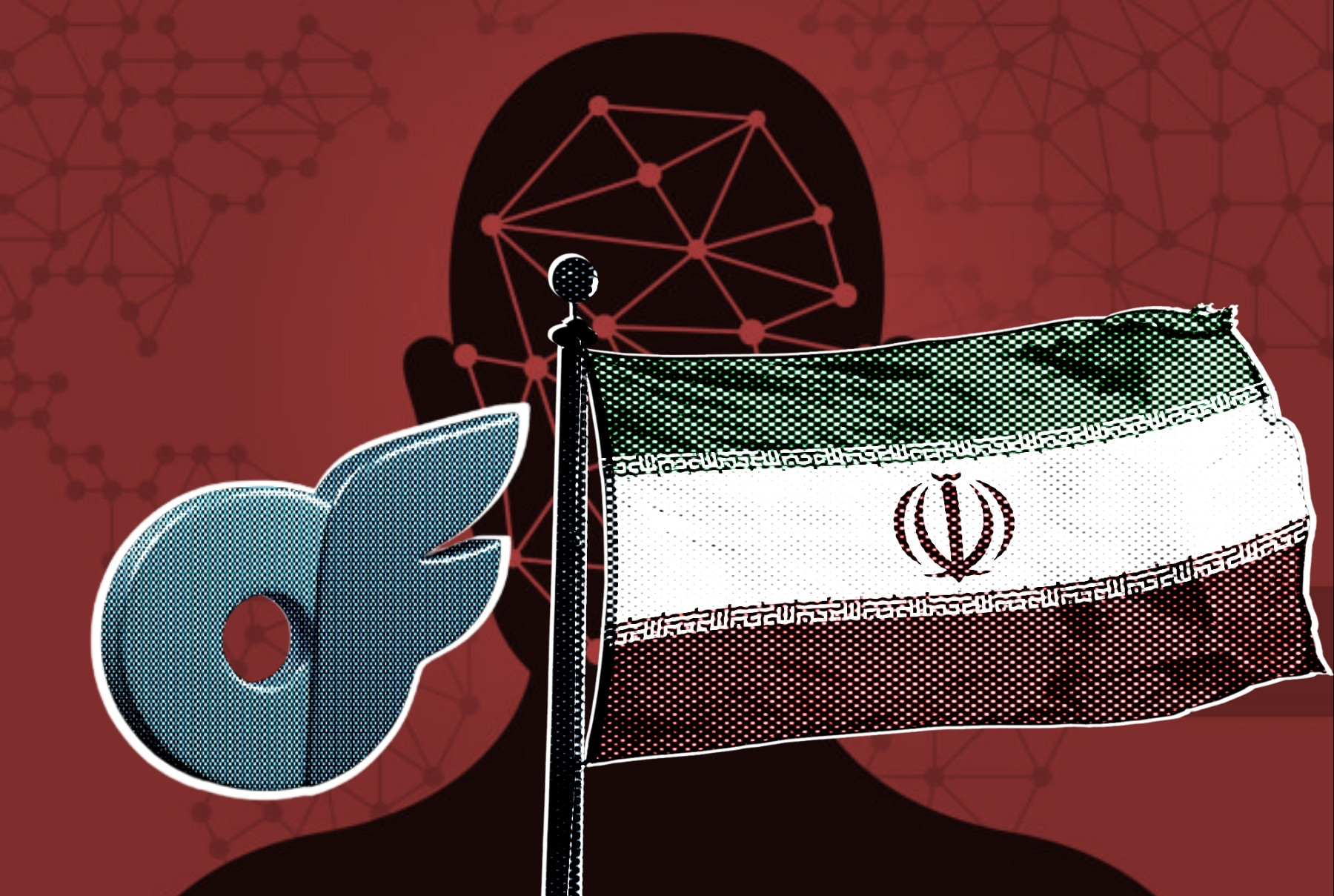
The internet has always been a battlefield, but the weapons keep getting stranger. While most people are busy arguing in comment sections and doomscrolling through reels, foreign governments have been quietly weaponizing the same platforms for something considerably more calculated. Iran, according to multiple analyses from researchers and intelligence officials, has emerged as one of the most aggressive players in the global disinformation game. And their tactics are evolving fast enough to make your head spin.
Current reports identify Iran as a top-tier disinformation threat, deploying vast quantities of AI-generated content across social media to boost its military image, manufacture fake public support, and create what analysts have taken to calling “fake armies” online. The campaigns rely heavily on AI-generated personas, deepfakes, and coordinated troll operations targeting American and Israeli audiences, particularly during periods of heightened conflict in the Middle East. The goal is familiar to anyone who has followed this space: sow confusion, amplify division, and make it increasingly impossible to know what’s real.
So far, these operations have stuck to traditional social media platforms, the Facebooks and X’s and TikToks of the world, where the reach is broad and the moderation is, to put it charitably, inconsistent. There is no direct evidence that Iran or any state actor has turned to subscription platforms like OnlyFans to run influence operations. But the question of whether they could is not as absurd as it sounds.
OnlyFans and platforms like it are built around parasocial intimacy. Subscribers pay for the feeling of a personal connection with a creator. It’s an environment primed for trust-building, which is, not coincidentally, exactly what a long-game influence operation looks for. An AI-generated persona running a free OnlyFans account, cultivating a loyal following of military veterans or politically engaged subscribers before nudging them toward specific content or viewpoints, is not science fiction. It is a logical extension of tactics already documented on mainstream platforms. The AI-generated influencer problem is already well established. The only question is which platforms are next.
Meanwhile, something more organic is happening in the data. “Arab OnlyFans” has become a notable search term on adult platforms, and anecdotal evidence suggests interest has climbed in the years since conflict in the Middle East intensified in public consciousness. It is a complicated phenomenon to untangle.
Some of that search traffic reflects genuine interest in Arab and Middle Eastern creators, a demographic that has historically been underrepresented in mainstream adult content. Some of it is almost certainly tied to the broader cultural fixation on the region that war coverage tends to produce, which is its own uncomfortable thing to sit with. And some portion of it may reflect audiences seeking out content that feels transgressive against a backdrop of geopolitical tension, which is not exactly a new human impulse but is newly easy to act on.
None of this means that OnlyFans is potentially a propaganda machine. It means the internet is porous; culture, conflict, and commerce bleed into each other constantly, and platforms built on anonymity and intimacy are not immune to the same exploitation that has compromised every other corner of the digital world.
The creators on OnlyFans are overwhelmingly exactly what they appear to be: real people building real audiences and making a living. But in an era when AI can generate a convincing human face, voice, and personality in minutes, “appears to be” is doing a lot of heavy lifting. The disinformation researchers will catch up eventually. They always do. The question is whether the platforms will be ready when they get there.